Adrenaline Diesel Blog
How to Prevent Transmission Failure in Your Peterbilt 567
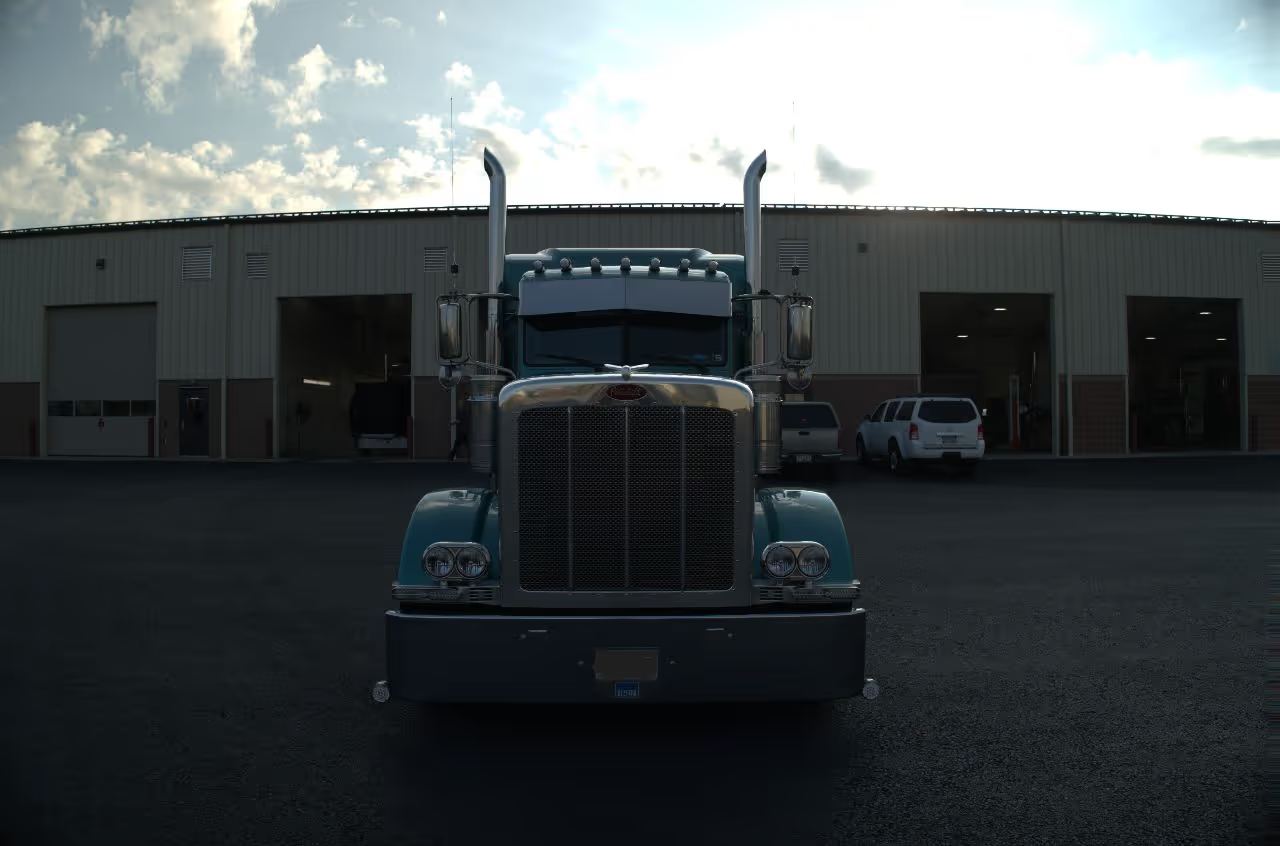
The Peterbilt 567 handles demanding workloads across construction, hauling, oilfield, and vocational trucking applications. Those harsh operating conditions place enormous stress on the truck’s transmission system every single day.
Transmission failure rarely happens without warning first. Most transmission problems begin with smaller issues involving fluid condition, overheating, clutch wear, or driveline stress that gradually worsen once preventive maintenance falls behind schedule.
Understanding how to prevent transmission failure helps truck owners reduce downtime, avoid expensive repairs, and extend drivetrain lifespan significantly.
Transmission fluid plays a major role in lubrication, cooling, and hydraulic operation inside heavy-duty transmissions. Dirty or degraded fluid increases friction and heat throughout the transmission during demanding hauling conditions.
Technicians regularly inspect:
Low fluid levels may reduce lubrication and allow internal transmission components to overheat rapidly under load. Contaminated fluid can also accelerate gear and bearing wear over time.
Excessive heat remains one of the leading causes of heavy-duty transmission failure. Constant towing, steep grades, stop-and-go driving, and overloaded hauling conditions can dramatically increase transmission temperatures.
Common overheating causes include:
Transmission fluid loses effectiveness once temperatures rise too high. Internal seals, clutch materials, and bearings may deteriorate much faster under excessive heat conditions. Overheating problems should never be ignored.
Transmission temperatures depend heavily on proper cooling system performance. Many heavy-duty trucks rely on transmission coolers that work alongside the engine cooling system to dissipate heat efficiently.
Technicians commonly inspect:
A weak fan clutch may reduce airflow through the radiator and transmission cooler during low-speed operation or traffic conditions. Poor cooling performance increases strain on both the engine and transmission simultaneously.
Extended idling creates unnecessary heat buildup throughout heavy-duty driveline systems. While the truck may not appear heavily loaded, transmission temperatures can still rise gradually during prolonged idle periods.
Excessive idling may contribute to:
Vocational trucks and urban delivery operations often experience more idling-related wear because trucks spend extended time stationary while running continuously. Reducing unnecessary idle time helps protect transmission longevity significantly.
Transmission problems usually create noticeable symptoms before catastrophic failure occurs. Drivers who report small drivability changes early often help fleets avoid much larger repair situations later.
Important warning signs include:
Ignoring these symptoms may allow smaller mechanical issues to spread through the transmission and surrounding driveline components quickly. Early diagnostics almost always reduce long-term repair costs.
Manual and automatic transmissions rely heavily on proper clutch operation. Worn clutch components may place additional stress on transmission gears and synchronizers during shifting.
Common clutch-related problems include:
Drivers riding the clutch excessively can also accelerate wear significantly during stop-and-go driving conditions. Routine clutch inspections help technicians identify wear before major transmission damage develops.
The Peterbilt 567 frequently operates under demanding hauling conditions involving construction materials, heavy equipment, and vocational loads. Excessive weight naturally increases stress throughout the entire drivetrain system.
Heavy hauling places additional strain on:
Repeated overloading may shorten transmission lifespan substantially, especially when combined with poor maintenance practices or aggressive driving behaviour.
Proper load management helps protect transmission reliability over the long term.
Driveline vibrations sometimes indicate developing transmission problems or worn supporting components. Ignoring vibration issues can eventually damage bearings, gears, and driveline assemblies throughout the truck.
Technicians commonly inspect:
Small vibrations may become much worse under load or highway speeds. Prompt driveline inspections help fleets avoid larger transmission failures tied to excessive vibration and mechanical imbalance.
Consistent preventive maintenance remains one of the most effective ways to prevent transmission failure in heavy-duty trucks. Routine servicing helps technicians identify smaller wear issues before catastrophic breakdowns occur.
Preventive maintenance commonly includes:
Delaying transmission maintenance often increases repair costs and unexpected downtime significantly. Predictable maintenance scheduling supports better long-term reliability for commercial diesel operations.
Driving style directly impacts transmission wear and overall driveline stress. Aggressive acceleration, excessive shifting force, and poor clutch habits can shorten transmission lifespan considerably over time.
Helpful driving practices include:
Drivers who understand proper driveline operation often help reduce maintenance costs across the fleet significantly. Good operating habits protect expensive transmission components from unnecessary wear.
Preventing transmission failure in a Peterbilt 567 requires consistent maintenance, early diagnostics, and proper operating habits. Fluid condition, cooling system performance, clutch wear, and driveline health all play major roles in transmission reliability.
Adrenaline Diesel provides heavy-duty transmission repair, diesel diagnostics, and preventive maintenance services for Peterbilt trucks and commercial fleet operations. For more information, read our article on preventive maintenance for International Lonestars.
Give us call or fill out our service request form to schedule your vehicle in for service at Adrenaline Diesel.

Adrenaline Diesel has extended service hours to ensure you get the best appointment time possible.

Sourcing parts for complex jobs is our specialty. We always aim for the fastest turnaround possible.


